AC Joint Sprain/Separation

AC Joint Sprain/Separation

Joint separation, also known as acromioclavicular joint separation or AC separation, is a common injury that affects the joint between the collarbone (clavicle) and shoulder blade.

body part icon
Background

Joint separation, also known as acromioclavicular joint separation or AC separation, is a common injury that affects the joint between the collarbone (clavicle) and the acromion (part of the shoulder blade). This type of injury usually occurs as a result of a direct blow or fall onto the shoulder, such as during a sports activity or a motor vehicle accident.

Treatment for AC joint separation depends on the severity of the injury, and may include rest, ice, pain management, physical therapy, and surgery in more severe cases. Recovery time varies but typically takes several weeks to several months.

Grades of Injury Severity

The severity of the injury can vary depending on the extent of the damage to the ligaments that hold the joint together. AC joint separation is classified into six grades based on the amount of displacement or separation of the joint:

  • Grade 1: Mild sprain of the AC ligament without joint displacement.

  • Grade 2: Partial tearing of the AC ligament and possible mild to moderate displacement of the joint.

  • Grade 3: Complete tear of the AC ligament and significant joint displacement.

  • Grade 4: Complete tear of the AC ligament and the coracoclavicular (CC) ligament with posterior displacement of the clavicle into or through the trapezius muscle.

  • Grade 5: Complete tear of the AC and CC ligaments with significant displacement of the clavicle posteriorly and superiorly, but still attached to the shoulder girdle.

  • Grade 6: Complete displacement of the clavicle from the shoulder girdle.

Conservative Care

The conservative treatment of AC (acromioclavicular) sprains depends on the severity of the injury. Note that conservative treatment may not be sufficient for more severe AC sprains. In such cases, surgery may be necessary to repair or reconstruct the damaged ligaments. It is important to consult with a healthcare provider to determine the best course of treatment for your particular AC sprain.

Treatment Options

  • Rest: Resting the affected arm and shoulder is one of the most important aspects of conservative treatment. It helps reduce pain and inflammation.

  • Ice: Applying ice packs or cold compresses to the affected area can help reduce pain and inflammation. Ice should be applied for 20 minutes at a time, several times a day.

  • Pain medication: Over-the-counter pain relievers, such as acetaminophen or nonsteroidal anti-inflammatory drugs (NSAIDs), can help relieve pain and inflammation.

  • Physical therapy: Physical therapy exercises can help improve range of motion, flexibility, and strength in the affected shoulder.

  • Bracing: Wearing a shoulder brace or sling can help immobilize the affected shoulder and reduce pain.

  • Activity modification: Avoiding activities that exacerbate the pain or stress the affected shoulder can help the ligaments heal.

Surgery

Surgery is typically recommended for more severe cases of AC (acromioclavicular) sprains, especially those that involve complete ligament tears or significant displacement of the clavicle bone. Here are some surgical treatment options for AC sprains:

  1. AC joint reconstruction: This surgical procedure involves reconstructing the torn ligaments using tissue grafts or synthetic materials.

  2. AC joint repair: This surgical technique typically for acutely injured severe AC joint separation involves repairing the joint with synthetic materials in order to fix the AC joint.

  3. Clavicle fixation: This surgical procedure involves using screws, pins, or plates to hold the clavicle bone in place.

  4. Excision of distal clavicle: In this surgical procedure, the end of the clavicle bone is removed to prevent it from rubbing against other bones in the shoulder, which can cause pain.

The specific surgical procedure recommended depends on the severity of the AC sprain, the patient's age, activity level, and overall health. Recovery time varies depending on the type of surgery performed, but typically involves physical therapy to help restore range of motion and strength in the affected shoulder. It is important to consult with a healthcare provider to determine the best course of treatment for your particular AC sprain.

Post-Op Care

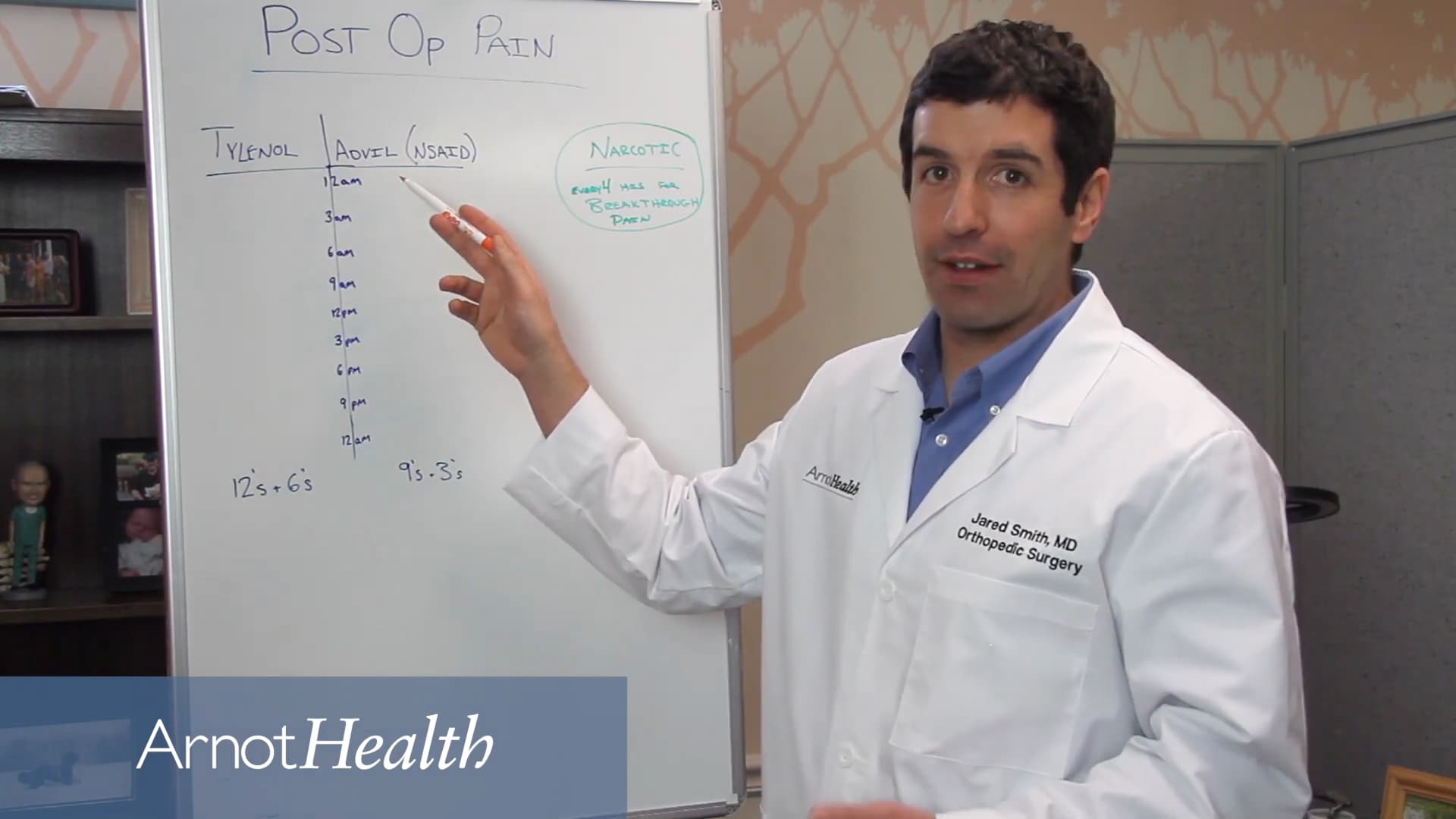
Medications to Treat Pain

In most post-operative patients, we treat pain with a multi-modal medication program. Watch to learn more and download the resource below.

video thumbnail
All Resources

Rehab Protocols

Discharge Instructions

General Downloads

External Links

logo

2026, All Rights Reserved

Contact

300 Hoffman St.

Elmira, NY 14905

(607) 734-4110

Find My Condition